Modernize the stack you outgrew
We maintain your live PHP, Rails, .NET or AngularJS system while migrating to Node.js, Rust, Go or .NET.
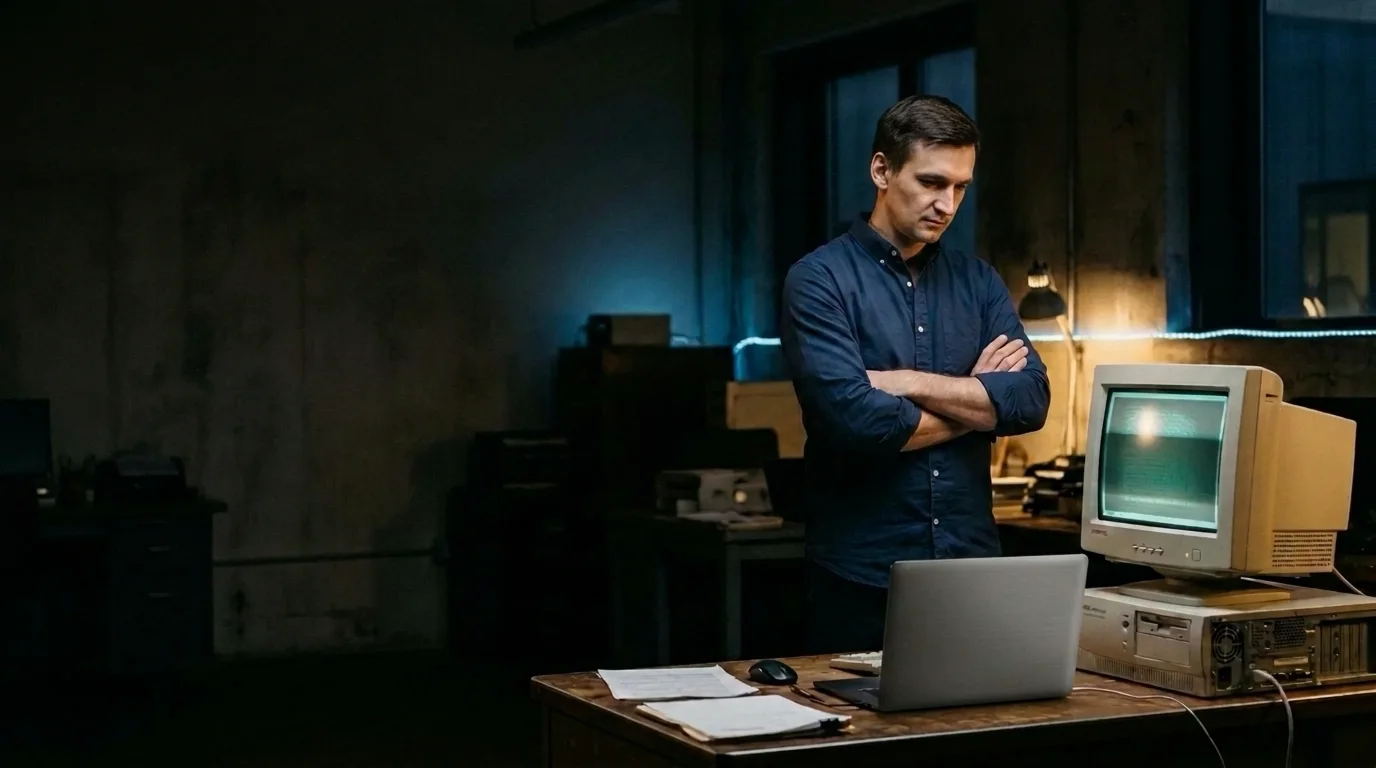
Your product works. But the tech holding it together is showing its age.
Security and compliance pressure
Enterprise customers are asking questions your legacy stack can’t answer. Outdated frameworks mean outdated security, and that’s a deal-breaker for compliance-driven clients.
New features are impossible or expensive
Mobile app? Modern integrations? Cross-platform support? Your current architecture wasn’t built for this. Every workaround creates more technical debt.
Can’t find developers who know both worlds
You need someone who knows AngularJS and modern Angular, or legacy PHP (Laravel, Symfony) and Node.js, Rust or Go. Those engineers are hard to find locally.
Need to scale, but your stack says no
Enterprise clients are knocking. But your architecture can’t handle multi-tenancy. Or your security posture doesn’t pass audits. Every big deal becomes a “we’ll get back to you.”
From legacy to modern. Six migrations we have shipped
AngularJS 1.xAngular / Next.js / React
Out of support since 2022. Hiring impossible. Performance flat.
Delphi 7 desktops.NET + Blazor / WPF
Single Windows machine deployments. Cannot be cloud-ready.
Visual Basic 6C# .NET on Azure
No 64-bit support. No vendor security patches.
C++ MFC appsNode.js + React + AWS
Unmaintainable codebase. Cannot ship to web or mobile.
PHP / Laravel / SymfonyNode.js / Rust / Go
Annual PHP upgrades and slow hot paths raise costs. We maintain live PHP while rewriting modules to Node.js, Rust or Go.
Monolithic .NET 4.5.NET + microservices on K8s
Deployment risk per release. CI/CD impossible.
What we reach for. Picked per engagement.
- Node.js
- TypeScript
- Rust
- Go
- React
- Next.js
- Angular
- .NET
- PostgreSQL
- Docker
- AWS
- GCP
- Azure
- Terraform
- Kubernetes
- Claude Code
- Codex
Five moves that keep your features alive.
Audit and risk map
Static analysis, dependency graph, dead-code report. Per-feature risk score and effort estimate. Written, not whiteboarded.
Strangler fig pattern
New code lives next to old. We carve features out one at a time. Old and new run in parallel until parity is proven.
AI-accelerated rewrites
Claude Code and Codex draft the refactor. Senior engineers review every PR. Tests generated alongside the code, no exceptions.
Cutover behind a flag
Per-feature kill switches. We migrate users in cohorts: 1%, 10%, 50%, 100%. Rollback is one click.
Train and hand over
Your team pairs with ours during the last sprint. By the time we leave, they ship the next feature alone.
From green screen to web app
North American Stainless ran its mill lines on a green-screen terminal. We rebuilt it as FLOW, one web app for operators and inspectors.
- New interfaceA modern UI people enjoy, on every screen size.
- SpeedNo more waiting after every click.
- Same featuresEvery function carried over one to one.
- Fewer bugsBugs that sat for years are gone.
We don't build on Drupal. We move you off it.
Drupal sites and apps move to WordPress or React with content, URLs and rankings intact.
Content and URL map first
Every node, taxonomy and URL is mapped before the move. Anything that changes gets a 301.
WordPress for marketing sites
Editors get a CMS they already know. Plugins and blocks replace custom Drupal modules.
React for products
Apps built on Drupal move to a React front end on a clean API.
Mature enough for legacy. Sharp enough for what’s next.
50+ legacy products rescued
We’ve migrated AngularJS, jQuery, .NET Framework, Rails and PHP (Laravel, Symfony) to Node.js, Rust, Go and .NET. Proven playbooks, not experiments.
Parallel execution model
No feature freeze. We maintain your live PHP, Rails or .NET system while migrating to Node.js, Rust or Go so your maintenance fee drops.
We think business first, tech second
ROI before refactoring. Before we touch a single line of code, we align on your business goals, timelines, and what success actually means for your bottom line.
We speak both languages
Engineers who know your old stack and the new one. RD2’s CEO Vitalii Drach on Clutch: “highly skilled developers who could navigate the complexities of legacy systems while implementing modern solutions.”
"They are absolutely first class and their communication could not have been better."
 Managing Director, Same Day Courier Network
Five places we have done this before.
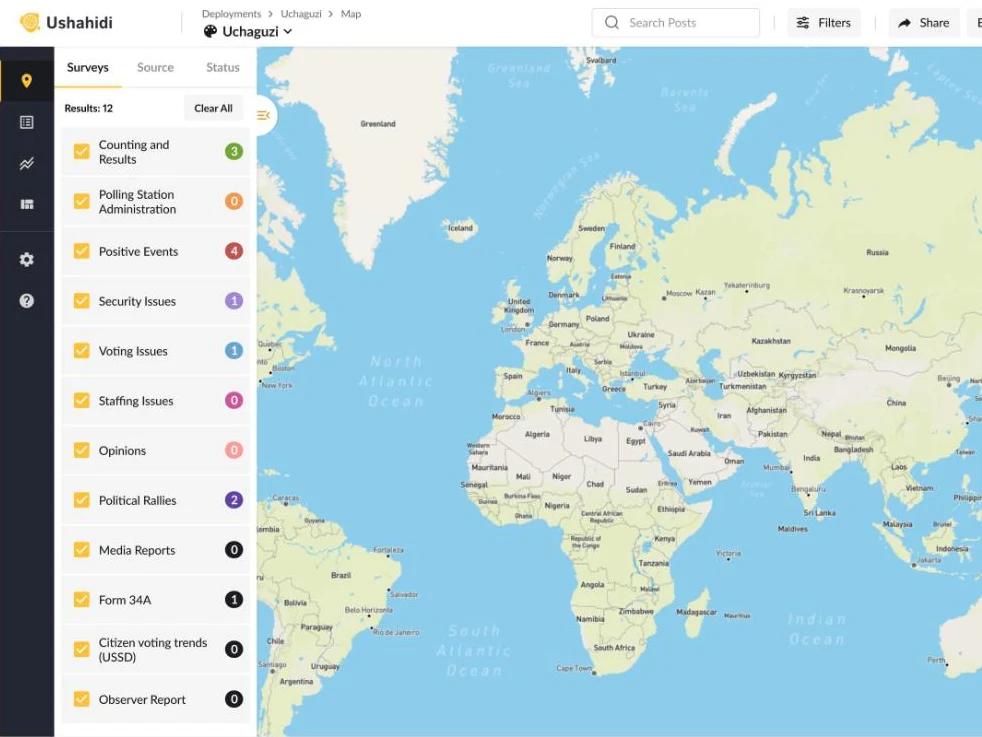

Dedicated Team for Angular.js to Angular Migration
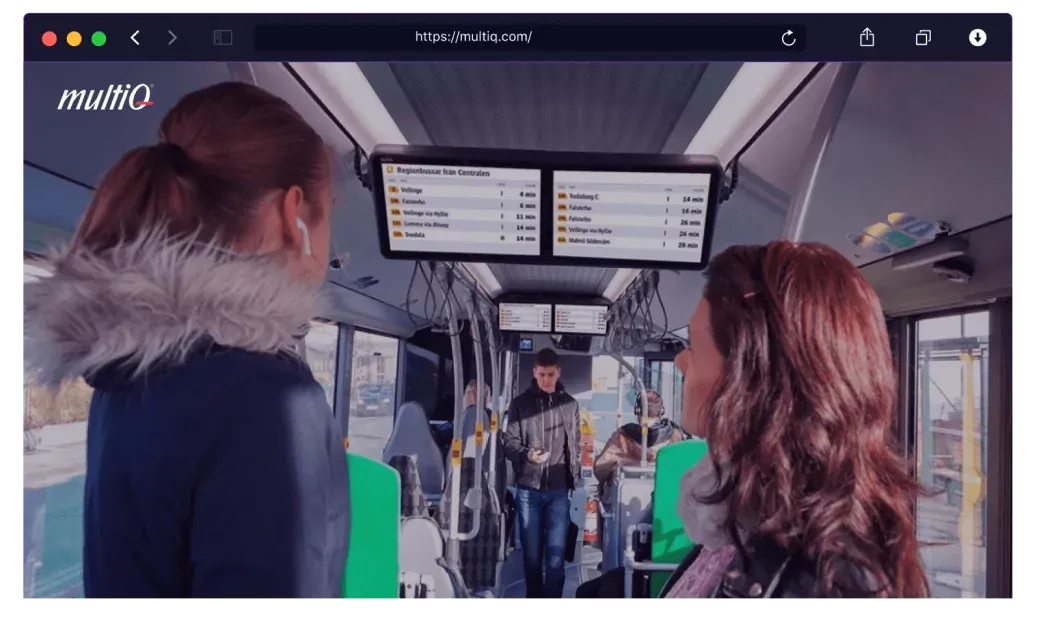

AngularJS to Angular Migration for Swedish Digital Signage Company
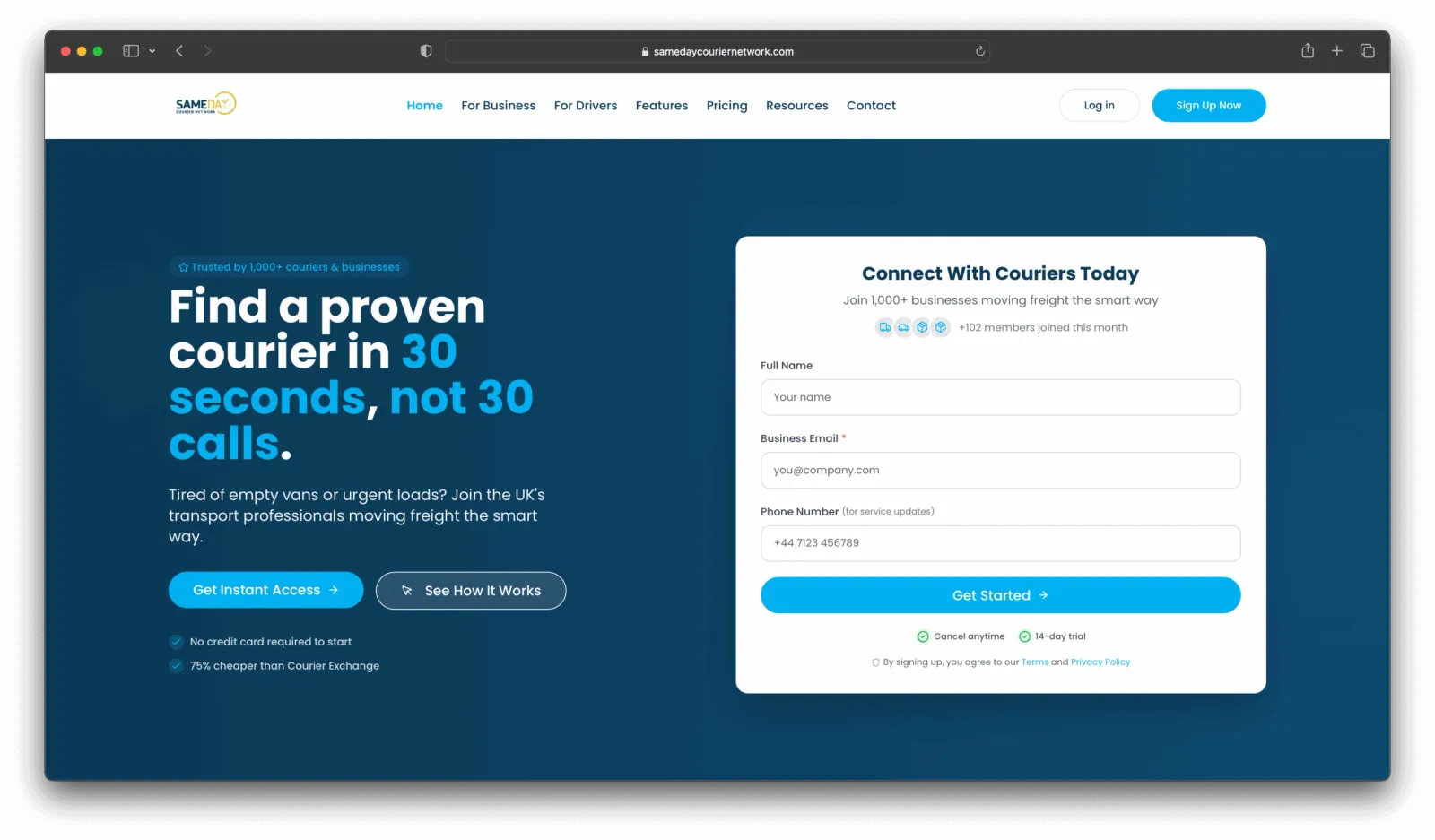

Logistics Platform Development for SDCN
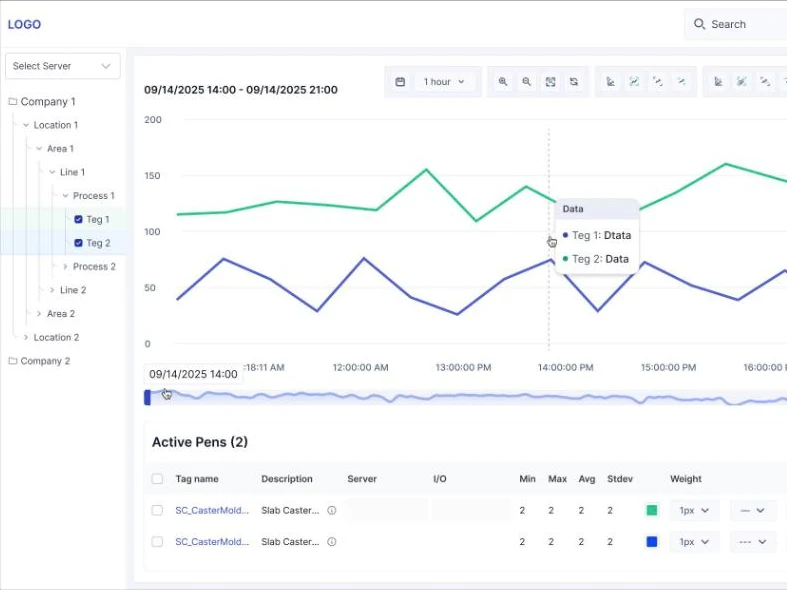

A web trend client with SPC alarms in place of a desktop PI client
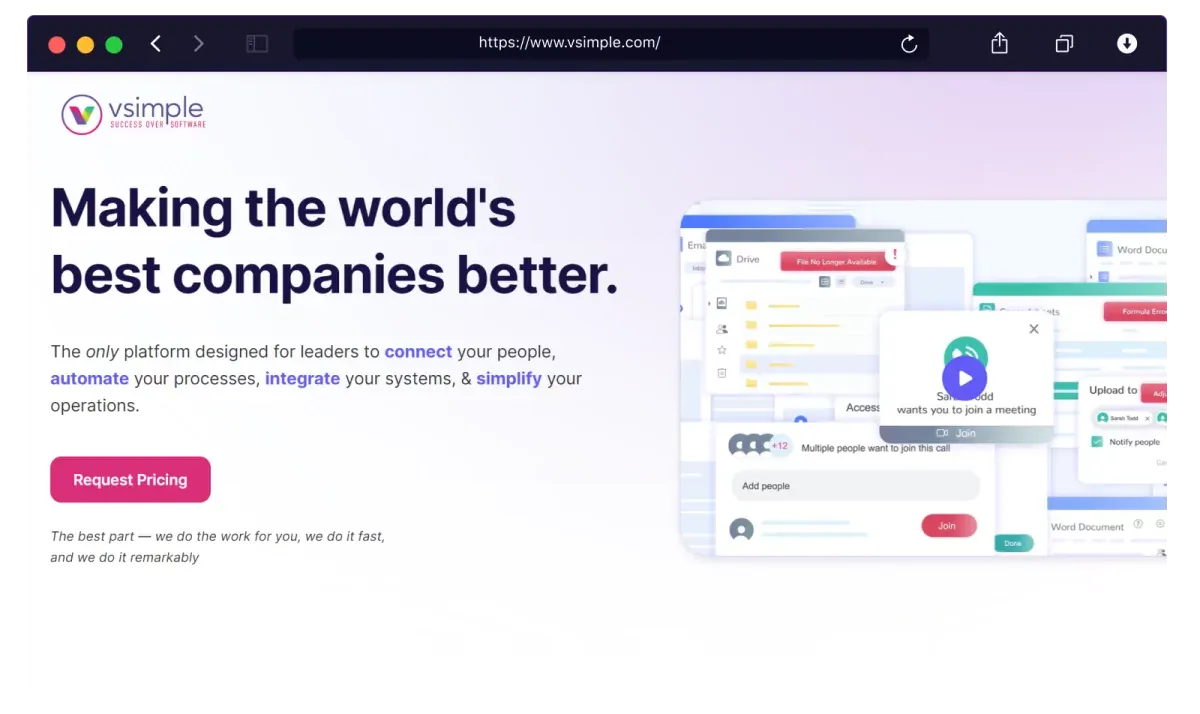

Dedicated Team for Customers Management Platform
What buyers ask before signing.
Not here? Write the question in the form. We answer in one working day.
01Can you maintain our live PHP, Laravel or Symfony system while migrating it?
Yes. Our senior engineers support and maintain your live PHP (Laravel, Symfony, CodeIgniter) or Ruby on Rails application in production while migrating modules step by step to Node.js, Rust or Go. Because modules move onto faster runtimes, your ongoing maintenance fee drops without a feature freeze.
02How do you migrate a legacy monolith without breaking production?
We map dependencies and add characterization tests first, then carve out modules one at a time behind feature flags using the strangler-fig pattern. Old and new services run in parallel until parity is proven, and a senior engineer reviews every AI-assisted change.
03Which target stacks do you migrate legacy systems to?
We migrate legacy PHP (Laravel, Symfony, CodeIgniter) and Ruby on Rails backends to Node.js, Rust or Go; legacy .NET Framework, VB6 and Delphi apps to modern .NET; and AngularJS or jQuery frontends to Angular, React or Next.js.
04How does migrating off legacy PHP lower our ongoing maintenance fee?
Annual PHP and framework upgrades, slow workers and scarce specialists drive maintenance costs up. Rewriting heavy modules into Node.js, Rust or Go while keeping your live system stable cuts server spend, removes repetitive upgrade work and lowers your monthly maintenance fee.
Migrations run as a dedicated delivery team, or as senior engineers embedded in yours, whichever fits how you want to run it.
Scope your modernization.
In two weeks. ROI proposal after
Send a brief. A real engineer reads it. You get a written plan back within 6 working hours.