AI Agent Rescue for a US Cybersecurity Company
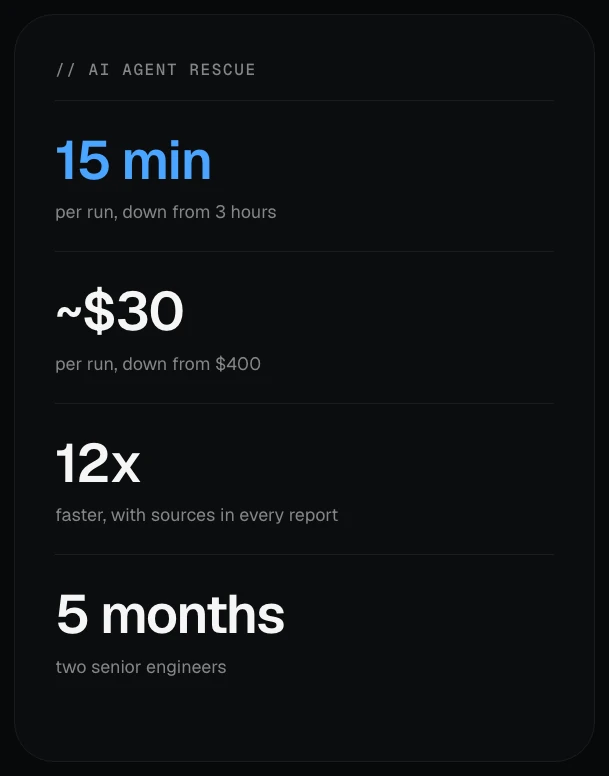
A US cybersecurity company had an AI agent that needed 3 hours and $400 to produce one security assessment, and often failed on the way. We took the agent over from the previous vendor and rebuilt it. A run now takes 15 minutes and costs about $30.
- Cybersecurity
- AI agent development
- 2026
Their Business Challenge
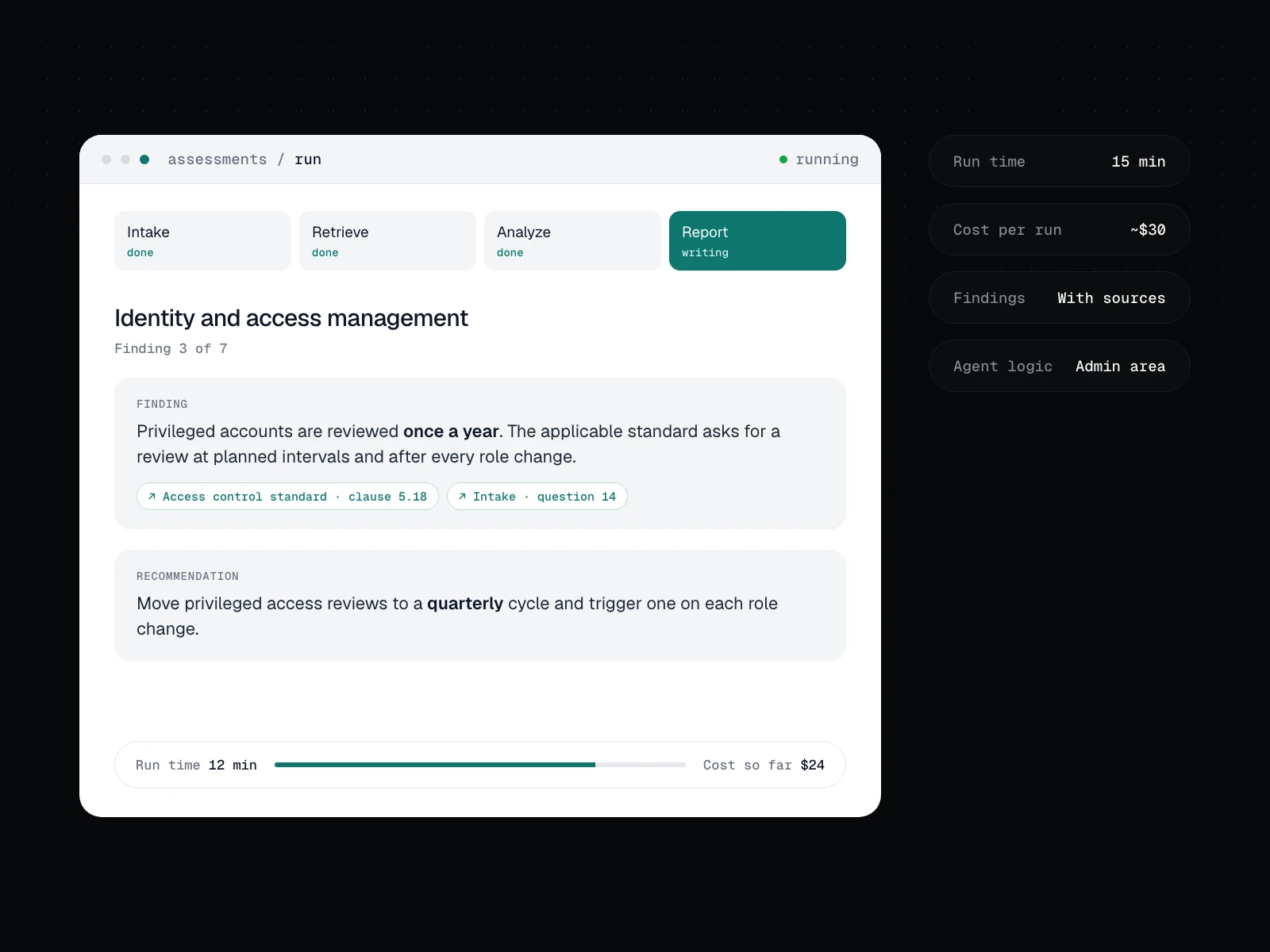
The company sells security assessments to enterprise security leaders. A client fills in a structured intake, and an AI agent checks the answers against security rules and standards and writes the assessment report.
Read more
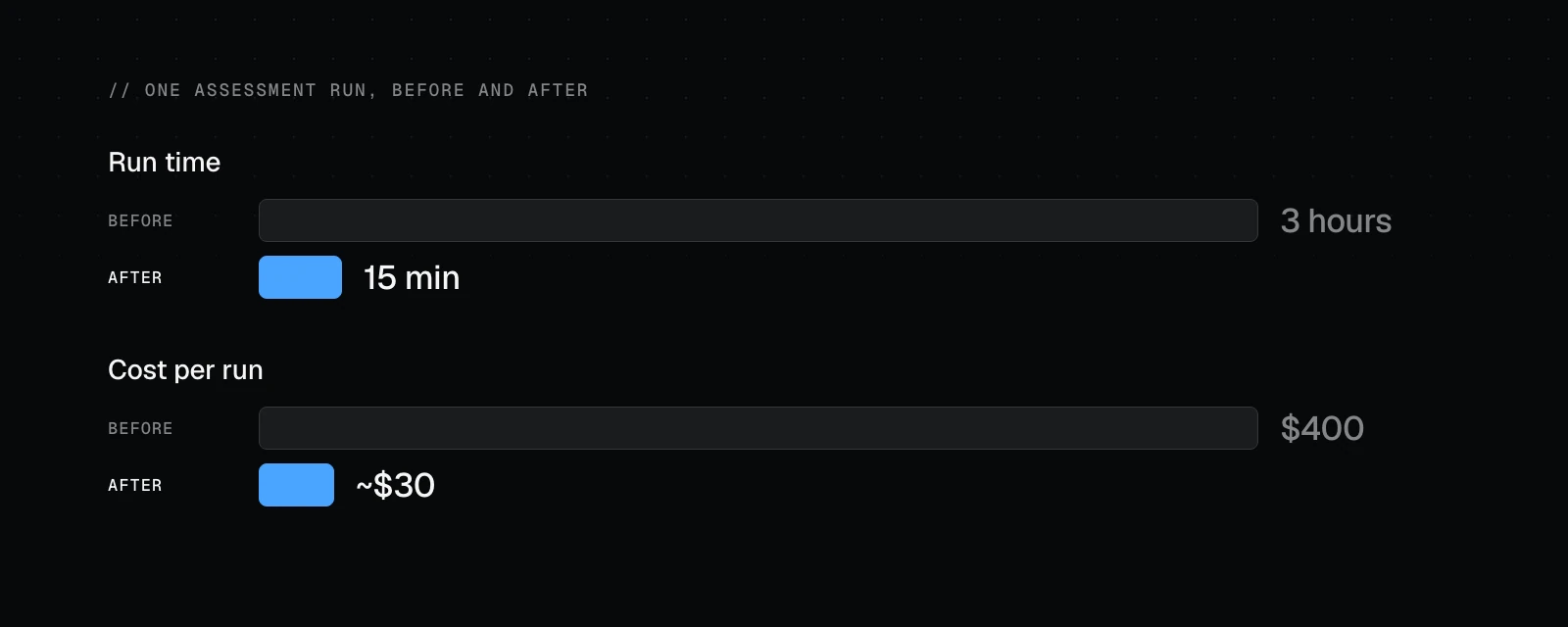
The first version of the agent, built by another vendor, did not hold up in use. One run took 3 hours and cost $400. Runs often failed before the end, and every restart cost the same again.
The company came to ProCoders with three problems:
- 01
Speed and cost
3 hours and $400 for one report, before any reruns.
- 02
Reliability
Runs often failed partway and had to be started again.
- 03
Dependence on developers
Every change to the agent's logic or instructions needed an engineer.
Why the Agent Was Slow and Expensive
Our AI architect started with a diagnosis. Three decisions explained most of the cost:
- 01
Everything in the context window
The agent tried to load all the reference documents into the model's context on every run. They did not fit, and the model was paid to reread text it did not need.
- 02
A personal tool as the runtime
The agent ran on a setup made for one person's own use, not for an enterprise service with many clients.
- 03
A hand-written agent loop
The agent logic was custom code on an approach that was a year old. AI tooling changes every few months, so the agent missed what standard agent frameworks now do out of the box.
Assembling the Team
ProCoders put a small senior team on the rescue:
- 01
Senior AI Architect
5 months.
- 02
Full-Stack AI-Native Developer
4 months.
- 03
Project Manager
16 hours a month.
- 04
QA Engineer
24 hours a month.
What We Rebuilt
- 01
Retrieval instead of a full context window
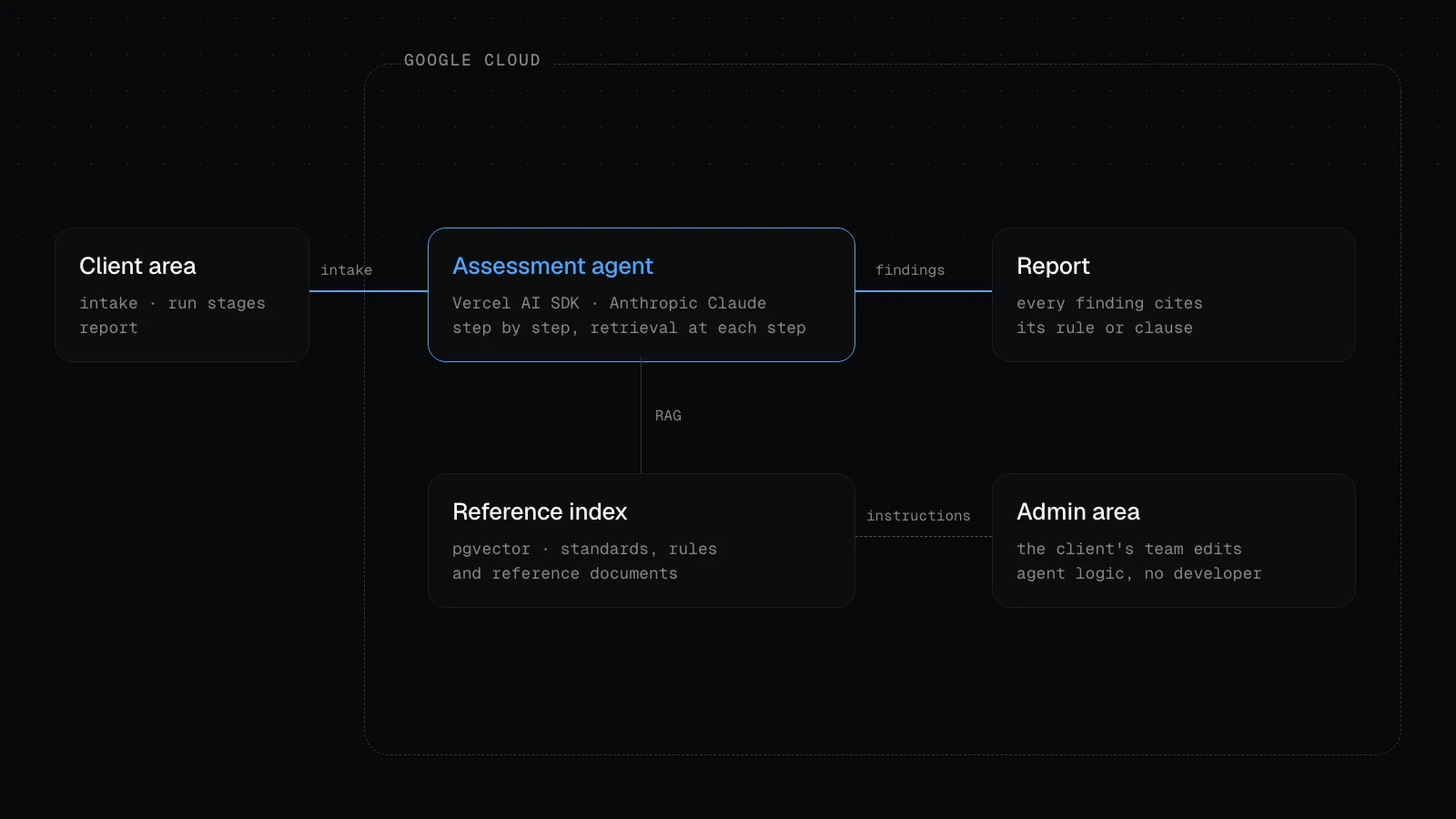
We moved the reference documents into a pgvector index and switched the agent to retrieval-augmented generation (RAG). At each step the agent retrieves the passages that step needs, so the model reads far less text per run.
- 02
A standard agent framework
We replaced the hand-written loop with Vercel AI SDK running Anthropic Claude, hosted on Google Cloud. The agent now follows a standard agent pattern that a new engineer can read and maintain.
- 03
Findings with sources
Every conclusion starts from retrieved passages, so the report states which rules, standards and clauses each finding is based on.
- 04
Client area
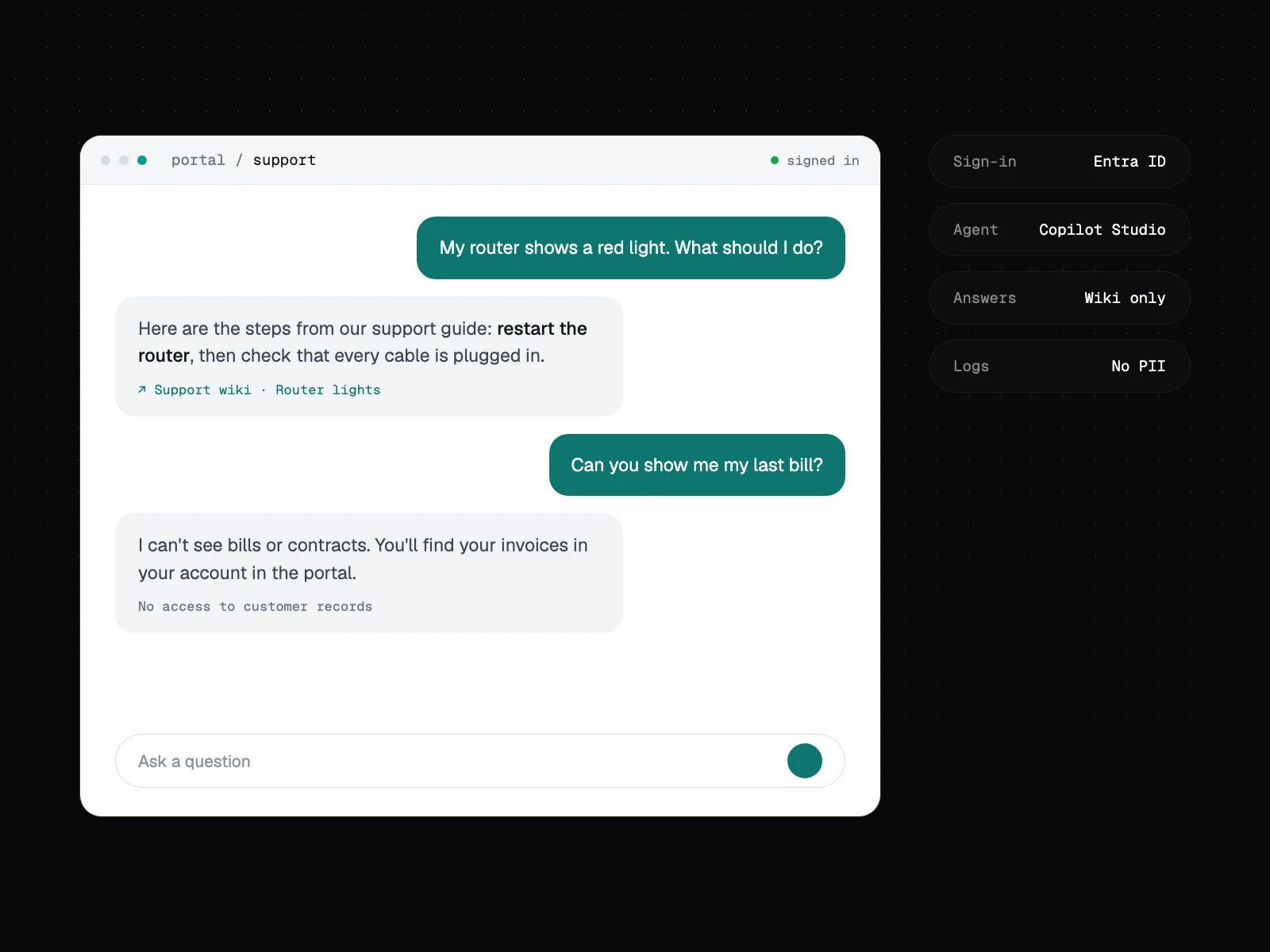
Clients enter the data for their assessment, follow the run stage by stage and receive the formatted report.
- 05
Admin area
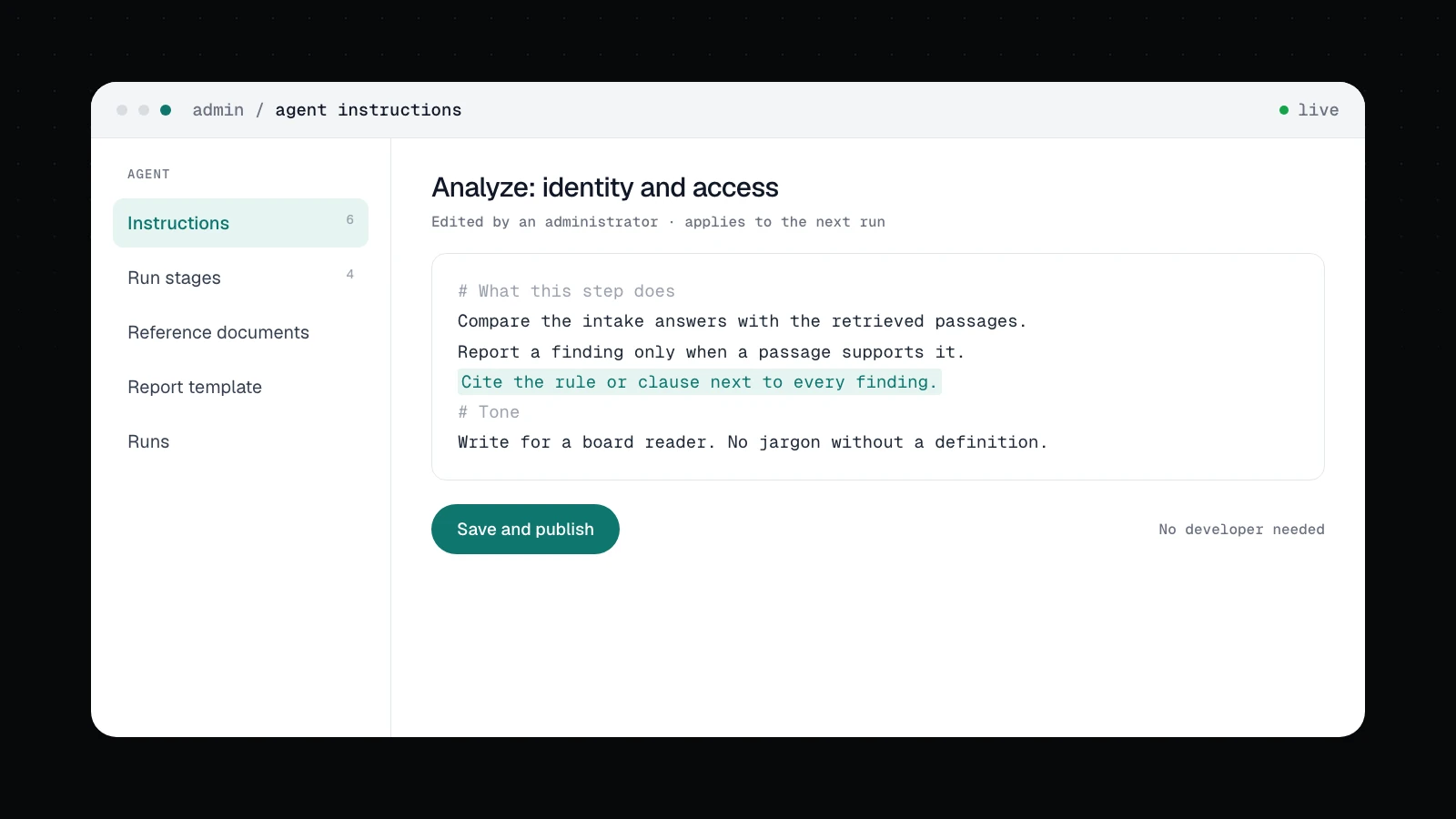
The company's administrators manage the logic inside the agent and edit its instructions themselves, without asking a developer.
From 3 Hours and $400 to 15 Minutes and $30
A run takes 15 minutes instead of 3 hours and costs about $30 instead of $400. That is 12 times faster and about 13 times cheaper per report.
Read more
Quality went up at the same time. Each finding in the report names the rule or standard behind it, so a reader can check where a conclusion comes from.
The company's team changes the agent's instructions and logic in the admin area on their own.
The ProCoders Difference
- 01
Diagnosis before the rebuild: three architecture decisions explained most of the cost.
- 02
12 times faster and about 13 times cheaper per run, with sources cited in every report.
- 03
A small senior team: two engineers, with part-time project management and QA.
- 04
The client's team runs and tunes the agent day to day without us.

Tell us the outcome.
We will write your case study
Discovery in two weeks. ROI proposal after. Public case study optional, by your choice.